


Oud is one of the most expensive raw ingredients on the planet. It is used in perfumery, traditional medicine, and ceremonial practices across the Middle East, South Asia, and East Asia. A single kilogram of pure, high-grade natural oud can cost more than gold.
Yet most people in the modern fragrance market cannot answer a simple question: what exactly is it?
This guide covers everything — what oud is, where it comes from, what it smells like, the difference between natural and synthetic oud, and how to wear it correctly.
What Is Oud?

Oud (also called agarwood, aloeswood, or oudh) is a dark, fragrant resinous wood that forms inside specific trees of the Aquilaria genus. These trees are native to parts of Southeast Asia, South Asia, and the Indian subcontinent — primarily India (Assam region), Bangladesh, Vietnam, Cambodia, Laos, and Indonesia.
Here is the critical part: oud does not form in healthy trees. It only develops when an Aquilaria tree is infected by a particular mold (Phialophora parasitica). In response to the infection, the tree produces a thick, dark resin to protect itself. Over years and decades, this resin saturates the heartwood of the tree and creates what we call agarwood — the raw material for oud.
Only about 2% of wild Aquilaria trees produce oud naturally. The rest are mold-free and scentless. This scarcity is the primary reason oud costs what it costs.
Where Does Oud Come From?
The most prized oud-producing regions are:
- Assam, India: Indian oud is often described as earthy, smoky, and slightly medicinal. It is among the oldest documented uses of agarwood in incense and perfumery.
- Cambodia and Vietnam: Southeast Asian oud is lighter, sweeter, and more floral compared to Middle Eastern variants.
- Indonesia (Borneo, Sumatra): Rich, complex, often with barnyard or animalic characteristics. Used heavily in Arabic oud perfumery.
- Middle East: The Gulf region does not typically produce raw oud but is the world's largest market for oud-based perfumery. Arabic oud perfumery is built around heavy, rich, and long-lasting compositions.
Oud from India — particularly Assam — is historically significant. It was traded across the subcontinent for centuries before the modern fragrance industry existed.
What Does Oud Smell Like?
Oud does not smell like one thing. This is the most misunderstood aspect of oud for first-time buyers.
The smell of oud depends on:
- The tree species it came from
- The region it was grown in
- How it was harvested (wild vs farmed)
- How it was distilled (steam distillation vs CO2 extraction)
- Its age
Broadly, oud smells:
- Woody and deep — like aged, dark timber
- Slightly smoky, especially Indian varieties
- Animalic or leathery — particularly older, wild-harvested grades
- Occasionally sweet or floral, particularly Southeast Asian grades
- Resinous and warm
Many first-time oud wearers describe it as intense, polarising, and unlike anything they have smelled before. That is accurate. Oud is not subtle.
Natural Oud vs Synthetic Oud: What Is the Difference?
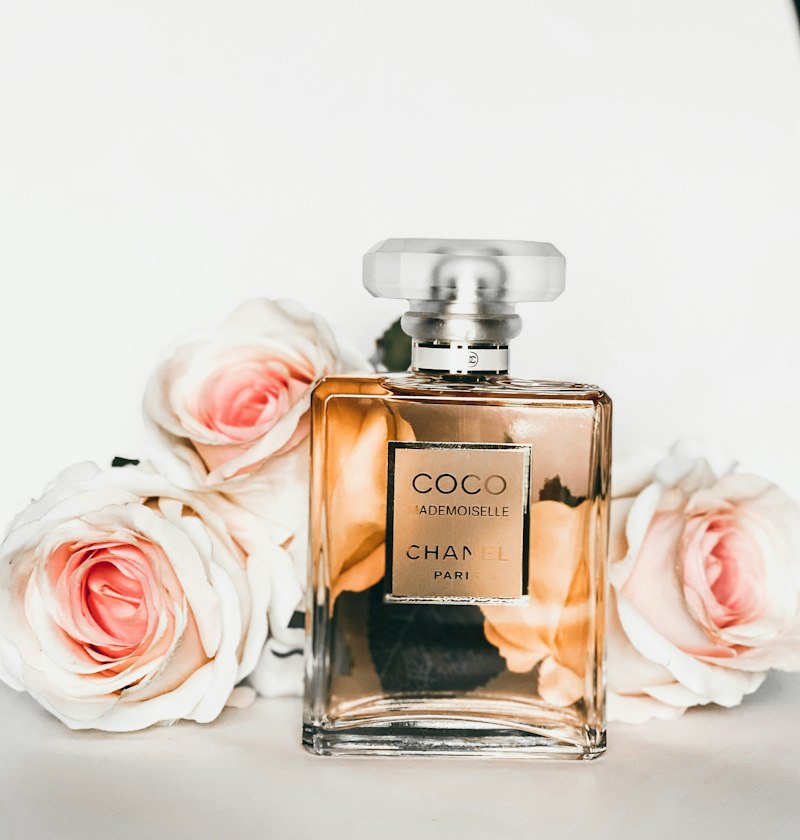
Due to the scarcity and cost of natural oud, virtually all mass-market fragrances that claim to contain oud use synthetic oud ingredients — lab-created molecules that replicate aspects of natural oud's smell.
Natural oud:
- Extracted directly from agarwood through steam distillation or CO2 extraction
- Complex, multi-dimensional scent that evolves on skin over hours
- Significantly more expensive
- Small-batch production with variation between batches
Synthetic oud:
- Lab-created using aroma chemicals like iso-E-Super, cashmeran, or specific oud molecules
- Consistent batch to batch
- Accessible price point
- Often cleaner, less polarising — designed to appeal to a broad audience
- Less complexity and depth compared to real oud oil
Neither is inherently better for everyone. Synthetic oud in a well-constructed fragrance can be excellent. Natural oud adds genuine complexity and character that synthetic cannot fully replicate. For most buyers, a quality fragrance that uses high-grade oud ingredients with complementary naturals is the right starting point.
Why Is Oud So Expensive?
Several compounding factors drive the price of oud:
- Rarity: Only infected Aquilaria trees produce oud. The infection is unpredictable and cannot be reliably forced.
- Maturity required: Trees must grow for 25–60+ years before the resin is harvestable in meaningful quantities.
- Wild vs farmed: Wild agarwood is nearly extinct in some regions due to over-harvesting. Farmed oud is more available but is often considered lower quality.
- Labour-intensive extraction: Steam distillation of high-grade oud oil requires large quantities of wood for small yields.
- Regulation: Many Aquilaria species are listed under CITES (the international treaty on endangered species trade), which restricts wild harvest and adds compliance costs.
High-grade natural oud oil can cost $30,000–$80,000 USD per kilogram for the best varieties. Even mid-grade oud oil used in niche perfumery runs $5,000–$20,000 per kilogram. For context, the finest rose absolute — another expensive perfume ingredient — costs roughly $6,000–$9,000 per kilogram.
Oud in Indian Perfumery vs Arabic Perfumery
India has one of the oldest relationships with agarwood in the world. Assam-region oud has been used in Indian attars (traditional oil-based perfumes) for centuries. Indian oud perfumery tends toward:
- Earthy, camphoraceous, and medicinal oud profiles
- Attar-style compositions — oil-based, alcohol-free
- Worn close to the skin, intimate and personal
Arabic oud perfumery developed from the Gulf countries’ tradition of burning oud wood as incense (bakhoor). Arabic oud perfumes tend toward:
- Heavier, more opulent compositions
- Rose-oud, saffron-oud, and amber-oud combinations
- Strong sillage (how far the scent projects) and exceptional longevity
- Designed to be noticeable and luxurious in social settings
Modern niche perfumery has blended both traditions, creating oud fragrances that are wearable in Western or Indian professional contexts without the full weight of traditional oud.
How to Wear Oud Correctly
Oud is a powerful ingredient. A little goes a long way.
For beginners:
- Start with 1–2 sprays. Oud is not subtle. Over-application is easy to do and difficult to correct.
- Apply to pulse points — wrists and neck — not directly on fabric, as oud can stain light-coloured materials.
- Give it 30 minutes before you judge it. Oud fragrances have pronounced top notes that settle into a richer, more complex dry-down. The first 10 minutes are not the full picture.
Best occasions for oud:
- Evening wear — dinners, events, gatherings
- Winter months — oud’s warmth complements cold, dry air
- Occasions where you want to make a memorable impression
- Traditional and formal settings — weddings, festivals, religious occasions
More casual oud use:
- Lighter oud compositions that blend oud with fresher notes (bergamot, green tea, light florals) work well for daytime and office wear
- In an office setting, limit to 1 spray maximum — oud projects significantly in enclosed, air-conditioned spaces
Oud and the Indian Climate

Oud is particularly well-suited to the Indian climate for a structural reason: its molecular weight. Oud molecules are heavy and slow to evaporate. In India’s heat — where lighter top notes disappear within 20 minutes — oud’s base character persists for hours.
This makes oud-based fragrances a practical choice for Indian buyers who need longevity without constant reapplication. A well-formulated oud EDP applied correctly in the morning should carry through to evening in most Indian city conditions.
If you are trying oud for the first time in India, start with a rose-oud or amber-oud composition rather than a pure oud soliflore. The supporting notes soften the intensity of the raw oud character and make the fragrance more wearable across different settings.
Try Oud for Yourself
If you have never worn oud before, the best way to understand it is to smell it on your own skin. Oud performs differently on each person depending on skin chemistry, diet, and body heat.
Our Oud Al Haram is a rich, deeply constructed oud fragrance built specifically for the Indian market — oud and saffron in the opening, rose at the heart, and a long amber-sandalwood dry-down. It is a strong starting point for anyone wanting to understand what a quality oud fragrance can do.
You can also explore our full unisex fragrance collection, which includes oud-forward and oriental compositions suitable for both men and women.

